Active case finding using mobile vans with artificial intelligence aided radiology tests and sputum collection for rapid diagnostic tests to reduce tuberculosis prevalence among high-risk population in rural China: Protocol for a pragmatic trial

Background and Aims
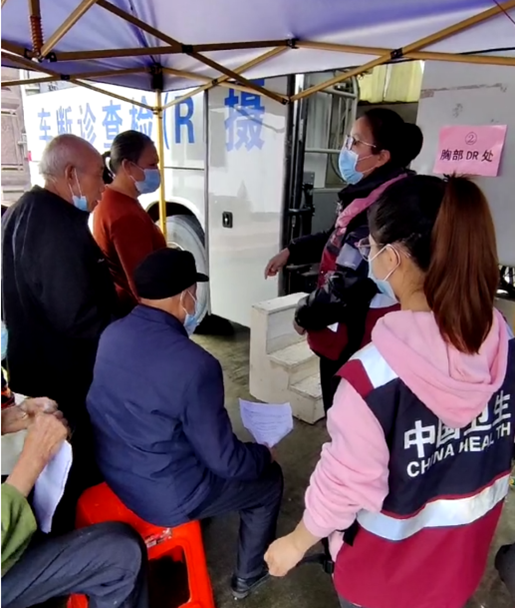
This project aims to evaluate the effectiveness of a comprehensive active case finding (ACF) package—utilizing mobile vans equipped with artificial intelligence (AI)-aided radiology and GeneXpert testing—in reducing TB prevalence among high-risk populations in rural Guangxi, China. We will conduct a parallel two-group, cluster randomized controlled trial to compare this intervention against usual care. Participants include all individuals aged 65 and above, as well as those under 65 years old who meet any of the following criteria: confirmed active pulmonary TB within the past three years or close contact with such patients, diagnosed diabetes, AIDS, or a history of working as a miner.
The main components of the project include: evaluating the primary outcome indicators through a cluster randomized controlled trial; conducting a process evaluation to inform the revision and optimization of the intervention strategy, assess the relationship between intervention effects, implementation methods, and processes, and explore the underlying mechanisms of the intervention’s effectiveness; and performing a cost-effectiveness analysis to estimate the potential health and economic benefits of large-scale implementation in the future.
Progress
- The trial started in November 2021.
- Participant recruitment and data collection have been completed by the end of January 2025.
- Data cleaning and analysis are currently underway.
Updated May 14th, 2025.
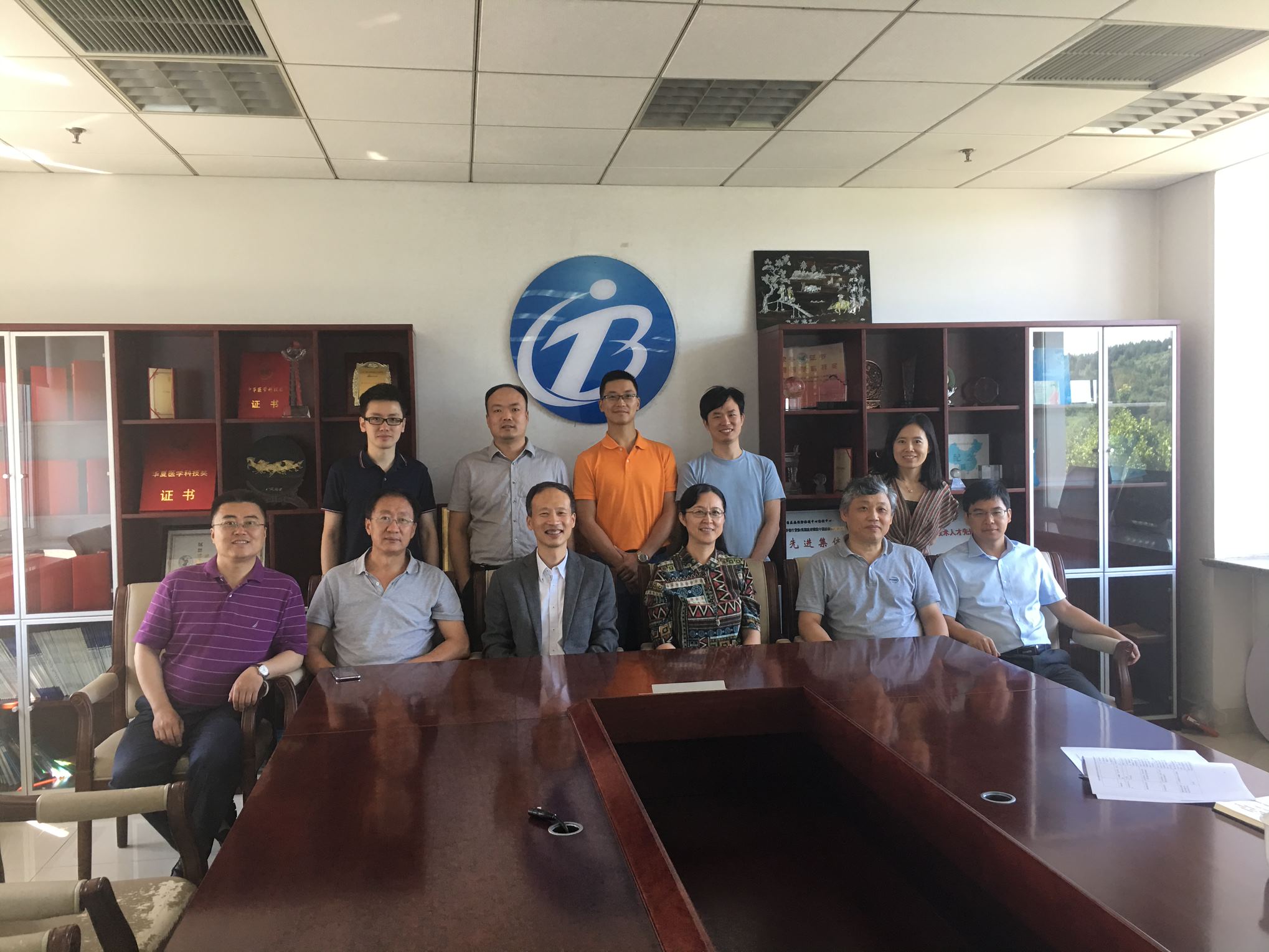
Research Team Members
Dabin Liang
Lingyun Zhou
Jinming Zhao
Huifang Qin
Xiaoyan Liang
Zhezhe Cui
Yan Huang
Liwen Huang
Mei Lin
Sponsors and Funding Agencies
Guangxi Medical and health key discipline construction project
Project Contact
Zhitong Zhang zhitong.zhang@utoronto.ca
WHO Review on Tuberculosis and Vulnerable Populations
Background and Aims
The WHO’s Global Tuberculosis Programme unit for Vulnerable Populations, Communities, and Comorbidities is seeking support for a review of the evidence on TB and vulnerable populations.
Various terms are used interchangeably in the global health literature to describe “key”, “vulnerable”, and “high-risk” groups for TB, but what precisely constitutes vulnerability is less clear. Through the completion of narrative and systematic reviews, this project will propose criteria for the identification of vulnerable groups to TB, and characterize the dynamics, epidemiological burden and risk in these populations.
This work will provide normative guidance to the Global TB Programme, inform future policy updates, and outline knowledge gaps that could be filled by future research. The project is centered from an equity perspective to ensure a right to health for all persons.
Progress
- Vulnerable groups have been identified through exploratory work
- Systematic review has been registered under PROSPERO
- Title/abstract, and full-text screening of articles has been completed
- Study selection and accounting has been finalized
- Data synthesis and technical report writing have been done
- Project completed
Publication: Burden of tuberculosis among vulnerable populations worldwide: an overview of systematic reviews
Updated August 18th, 2023.
Research Team Members
Sponsors and Funding Agencies
World Health Organization, Global Tuberculosis Programme
Project Contact
Stefan Litvinjenko stefan.litvinjenko@utoronto.ca
Treatment Adherence of Pulmonary Tuberculosis Patients in Tibet
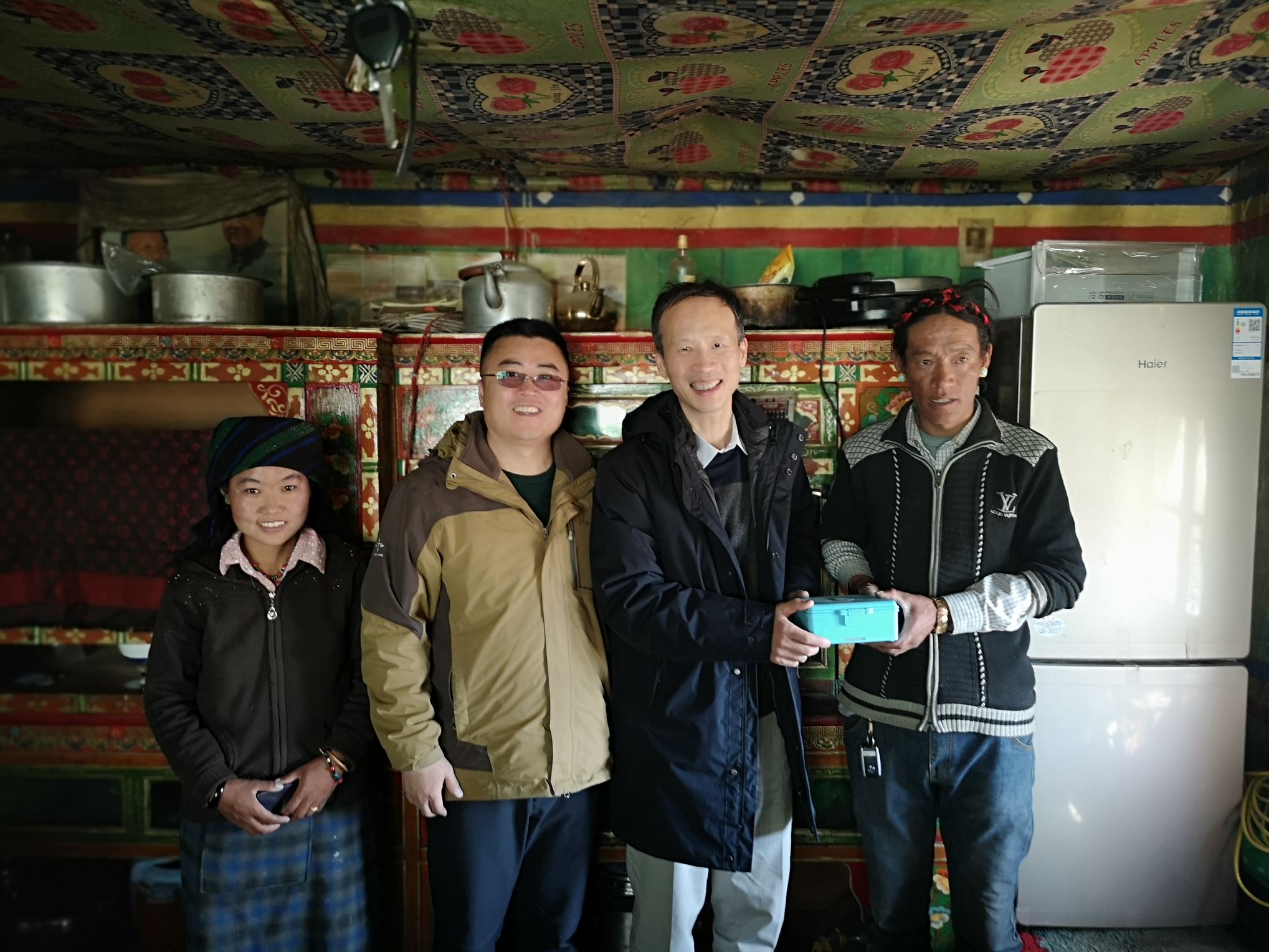
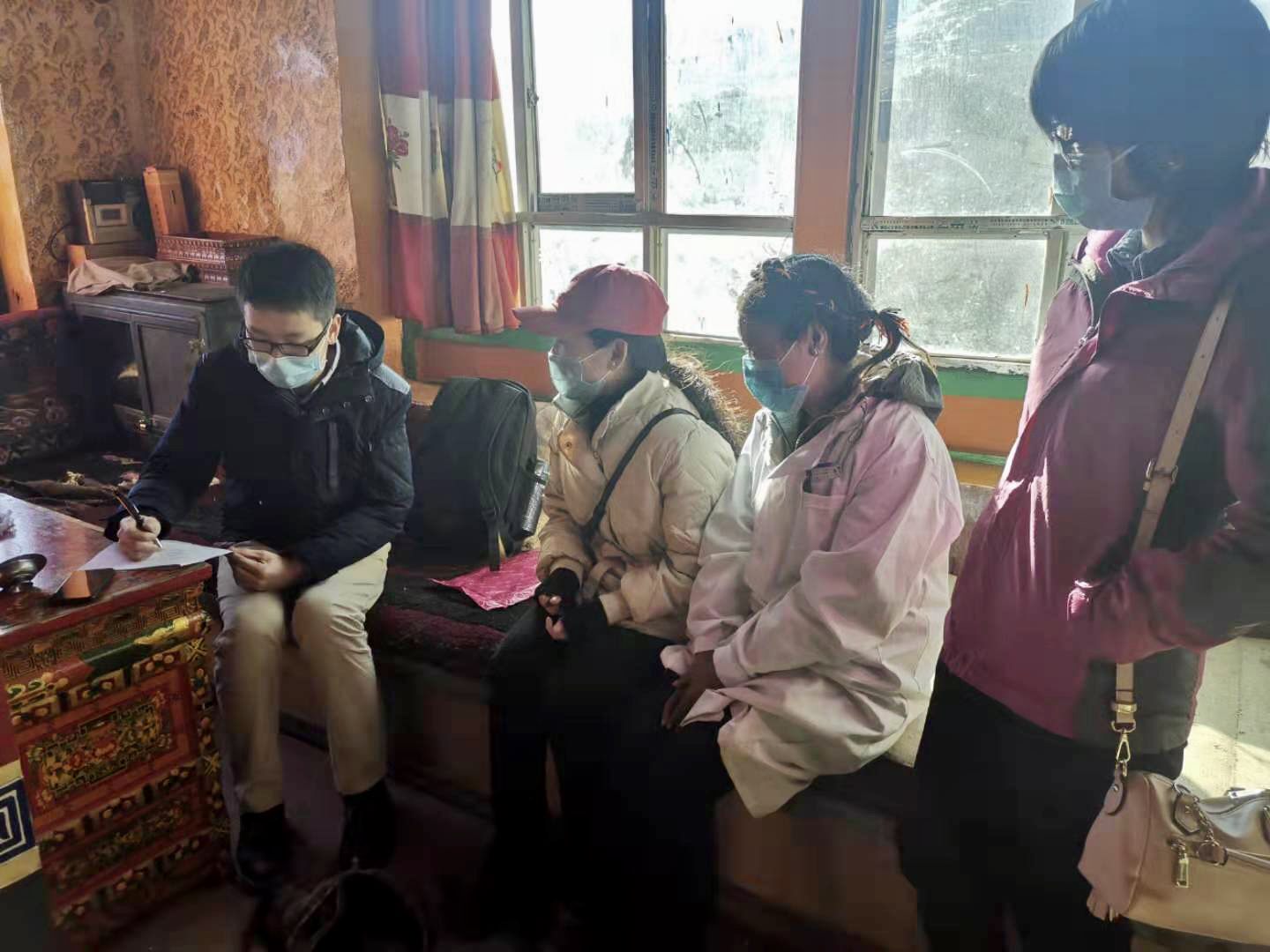
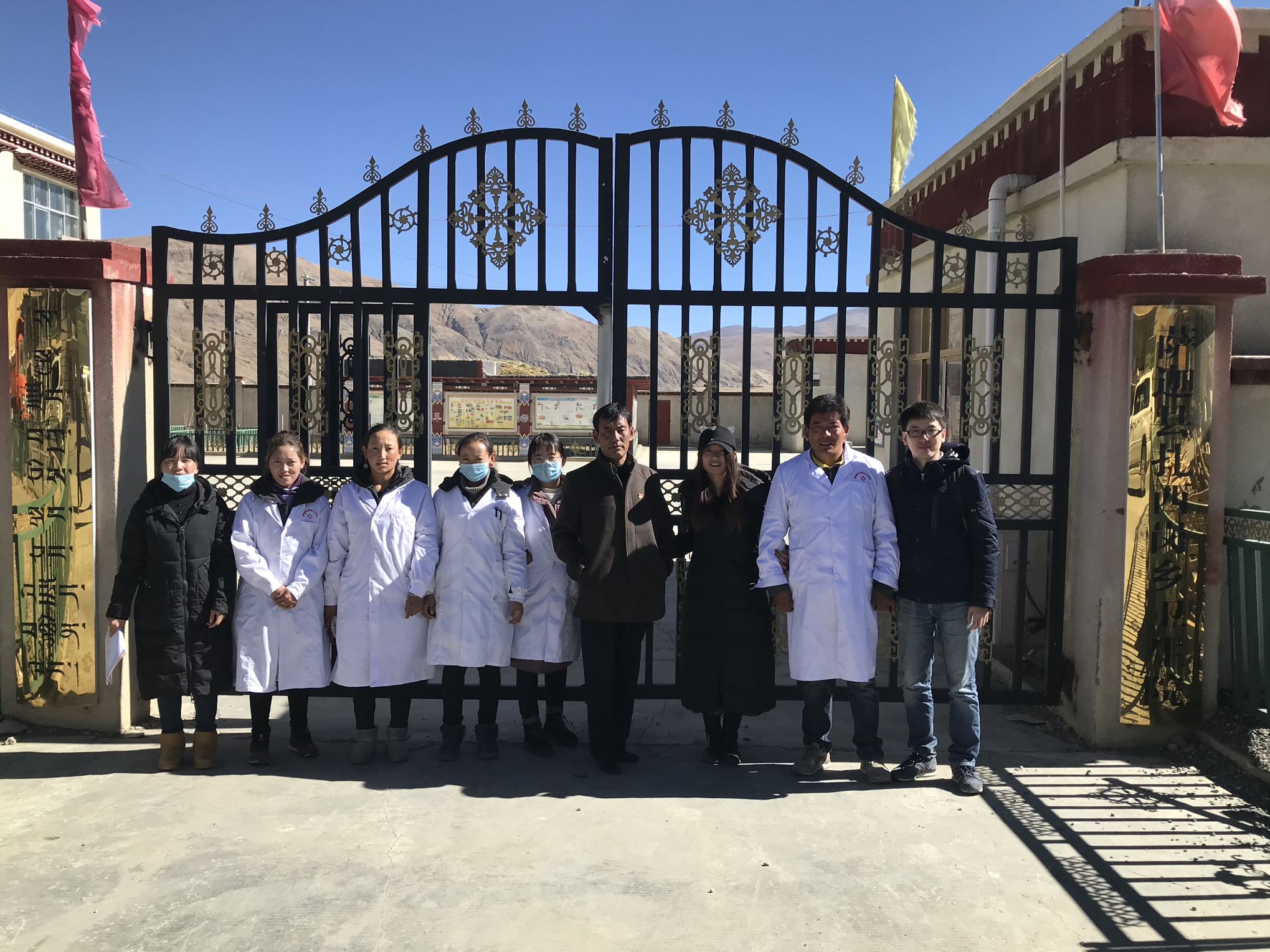
Background and Aims
Using electronic monitors and a smartphone application to improve treatment adherence of new pulmonary tuberculosis patients in Tibet, China.
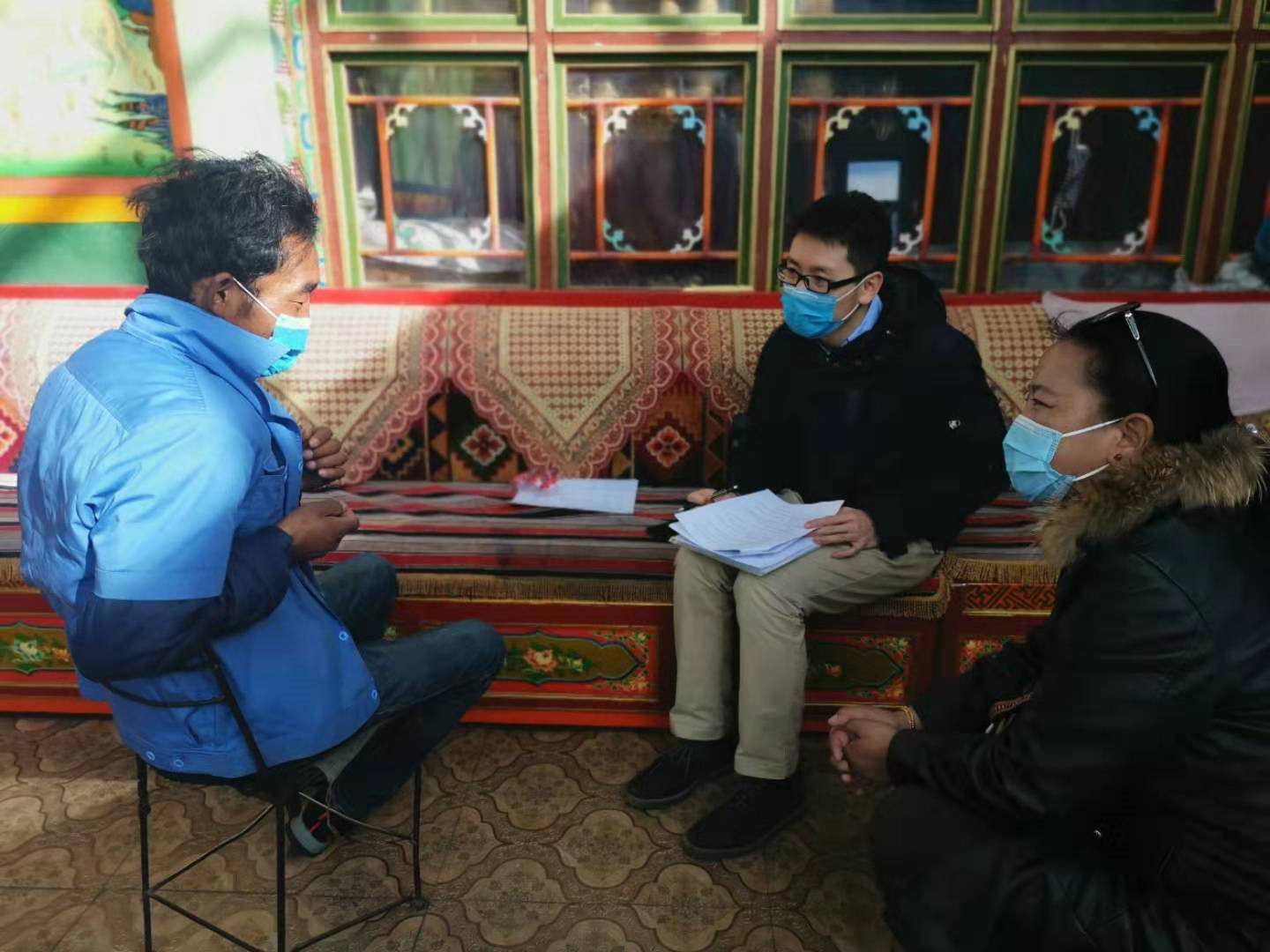
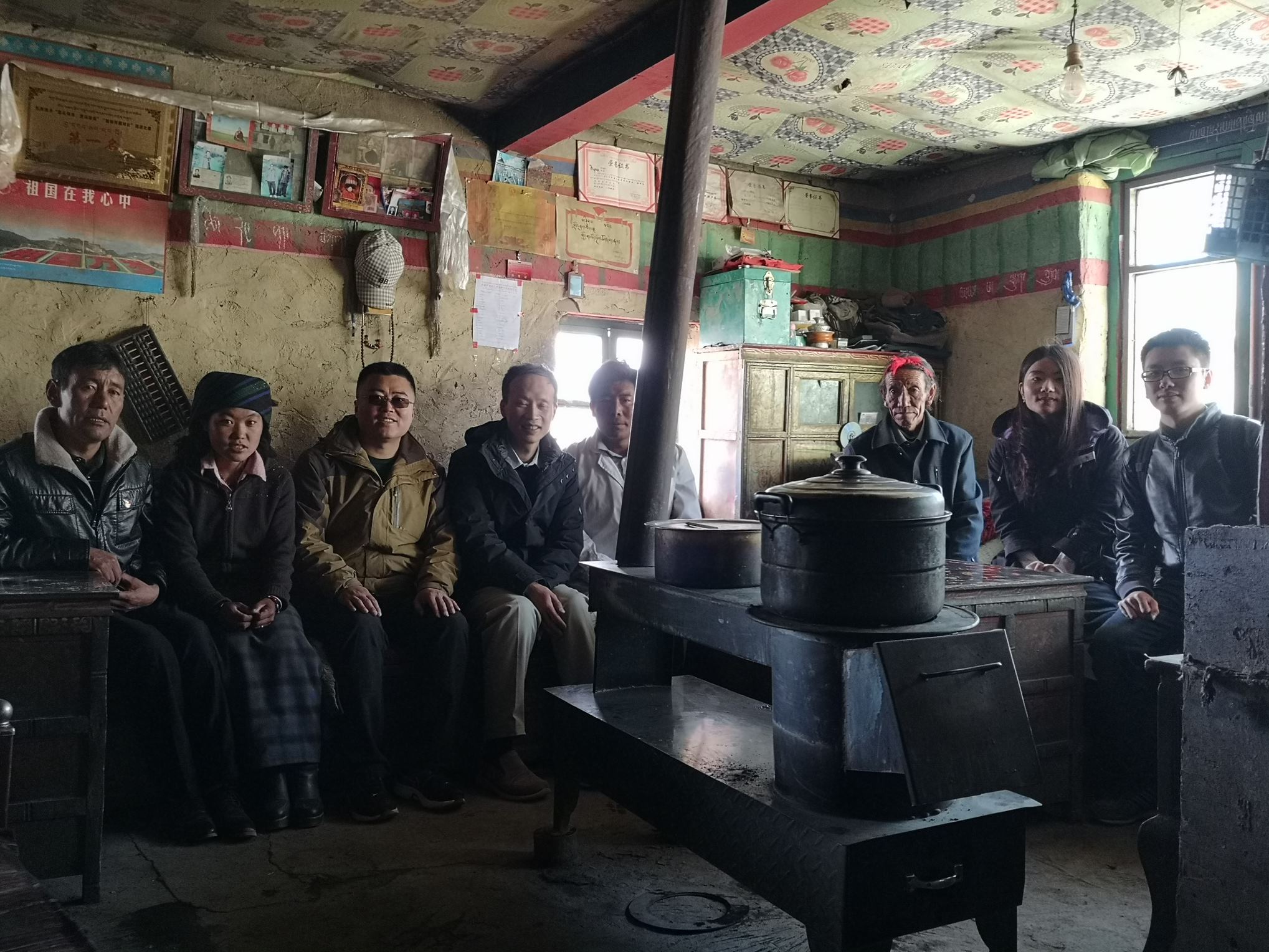
Non-adherence to tuberculosis (TB) treatment is a major concern in Tibet, China due to a sparse population density, severe weather conditions, long travel distances to treatment facilities, and shortage of human resources to enable implementation of directly observed treatment (DOT). Patients often self-administer their TB treatments or receive inadequate medical supervision from health care workers. To better support patients in completing their TB treatment, the Shigatse Centre for Disease Control has looked to technology as a way to strengthen communication between persons affected by TB and health care providers.
This study has three key components:
- Electronic medication monitor pillboxes (e-monitors)
- A smartphone application (i.e. WeChat)
- A family member or relative to provide support to patients affected by TB during treatment (“Family Treatment Supporter”)
The e-monitors track TB medication adherence and remind patients to take their medications through a recorded human voice alert. Medication adherence data generated from these e-monitors are then transmitted to a cloud server and are accessible to healthcare providers in real-time to track medication adherence history.
WeChat is a free mobile application widely used in China. In our study, we use WeChat to form chat groups to ensure patients affected by TB and their Family Treatment Supporter can access the healthcare team. Through this chat group, patients and Family Treatment Supporters can ask questions about TB treatments, checkups, or any concerns that they might have. When necessary, WeChat can also be used for Video Observed Treatment (VOT) when DOT is not feasible.
To evaluate effectiveness of this project, we conduct a prospective, unblinded, pragmatic, individual randomized controlled trial. This is complemented by a mixed-methods process evaluation to understand what worked, what did not, and why, in the implementation of the intervention to better contextualize and interpret these trial findings
Progress
- Patient recruitment and follow-up started in November 2018 and completed in October 2021
- Final data analysis is on-going
Updated March 11th, 2022.
Publications
Updated January 28th, 2021.
Research Team Members
Sponsors and Funding Agencies
Stop TB Partnership, TB REACH
United Nations
Project Contact
Zhitong Zhang zhitong.zhang@utoronto.ca
 Global Implementation Science Lab