


A Tool Kit to Improve Vaccine Confidence in the Philippines


Background and Aims
This project aims to evaluate the feasibility and efficacy of an educational toolkit, co-developed with local stakeholders, in improving vaccine confidence regarding measles, mumps, rubella (MMR), and polio among impoverished communities in the Philippines. The toolkit will be embedded within a randomized controlled trial (RCT) called the “Soap Opera Trial”, conducted by International Care Ministries (ICM) through its community-based Transform program. A total of 180 communities will be included in the project, with approximately 30 participants per community, totaling 5,400 participants.
In the intervention arm, the participants will receive our vaccine toolkit intervention, which includes:
- An educational video about MMR and polio vaccines.
- Reminder messages related to these vaccines.
- 15 soap opera videos, and the standard Transform Program.
The effectiveness of the toolkit will be evaluated based on the vaccination rates for measles, MMR, and polio among the children of Transform Program participants, and the participants’ knowledge of and attitudes toward these vaccines. Additionally, the relevance, applicability, and feasibility of the toolkit will be assessed using qualitative research methods. Finally, a cost-effectiveness analysis will compare the cost, participants’ attitudes, and child immunization rates between the intervention and control groups over the study period.
Progress
- Participant recruitment was launched on 31 January 2024 and completed on 29 February 2024.
- Data collection is ongoing and expected to be completed by June 30, 2025.
Updated May 14th, 2025.
Research Team Members
Xiaolin Wei, International Care Ministries, the Philippines
Sponsors and Funding Agencies
Project Contact
Zhitong Zhang zhitong.zhang@utoronto.ca
Developing a Tool Kit to Build Vaccine Confidence and Ensure Equitable COVID-19 Vaccination Implementation Strategies in Low- and Middle-Income Countries (LMICs)


Background and Aims
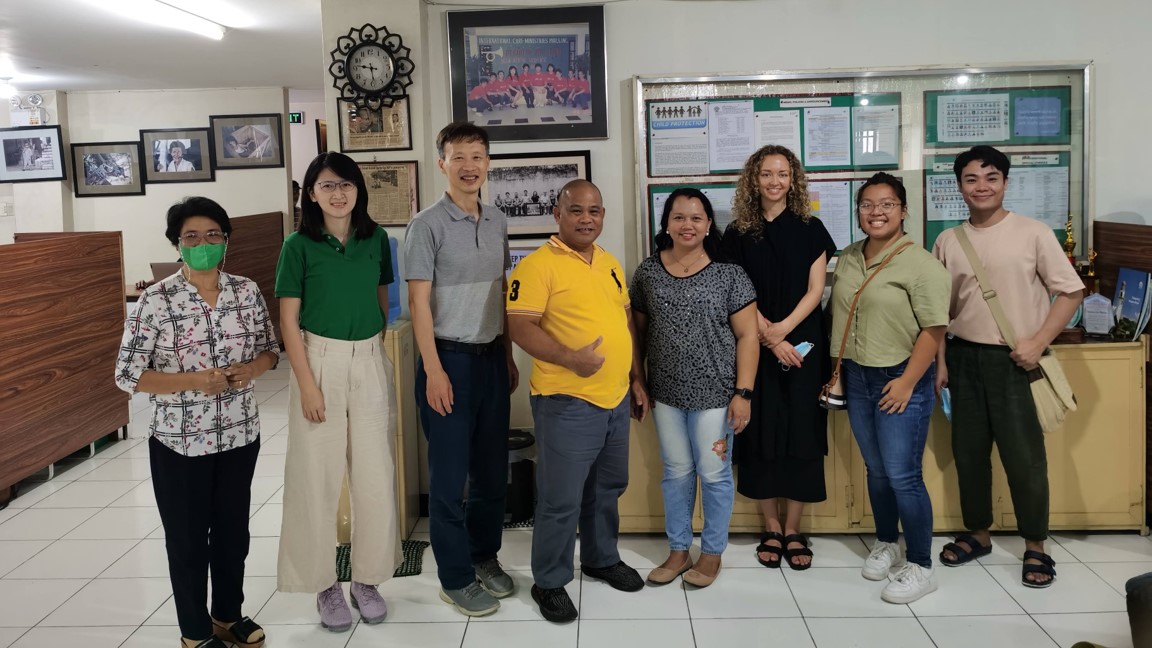
This project aims to take a holistic approach to address vaccine confidence by promoting equitable vaccine delivery in LMICs. Guided by an implementation science approach and equity-focused framework, we will identify key principles and develop guidance for vaccine delivery in LMICs, thus working towards improved public confidence and greater equity in COVID-19 vaccination.
We will explore contextual and process-oriented factors impacting the COVID-19 vaccination programs in the Philippines, as well as barriers and enablers to achieving equitable vaccine delivery. Based on these findings and with local researchers, we will develop and pilot a tool kit to guide key stakeholders in implementing equitable COVID-19 vaccination programs in the Philippines. Next, we will involve our partners from the Philippines, the World Health Organization (WHO) Western Pacific Region, and WHO Headquarter to develop a generic tool kit and adaptation plan for equitable vaccine delivery in other settings, leveraging the adaptation and customization procedure proposed by the WHO. Components of the tool kit will include strategies for:
- Identifying at-risk groups’ barriers and facilitators to vaccination program
- Community engagement
- Mobilizing healthcare workers and partners to reach these communities
- Addressing vaccine hesitancy and confidence in at-risk groups
Our team consists of researchers from Canada and the Philippines with expertise in infectious diseases, vaccination programs, and implementation science.
Progress
- Key informant interviews and workshops were conducted.
- Tool kit was created and developed.
- Training materials were created.
- Training and pre-surveys were conducted.
Updated August 18th, 2023.
Research Team Members
Xiaolin Wei, Warren Dodd, Shaza Fadel, Savithiri Ratnapalan, Samantha Meyer, Lincoln Lau, Garry Aslanyan, Shishi Wu, Victoria Haldane, Lauren Smith
Sponsors and Funding Agencies
Canadian Institutes of Health Research (CIHR)
Project Contact
Shishi Wu
shishi.wu@utoronto.ca
Pakistan NCD-COVID-19 Trial

Background and Aims
We aim to address the healthcare delivery and policy gaps at the primary health care level in designing and implementing integrated COVID-NCD care to patients with diabetes or hypertension in Pakistan. We will implement a package of Covid-19 care integrated with existing NCD care, mainly for hypertension and diabetes, at the primary care level in Rural Health Centres (RHCs) of Punjab, Pakistan. We will conduct a parallel two-arm, cluster randomized controlled trial of the enhanced NCD-COVID-19 integrated care package in rural Punjab, Pakistan with a total of 1500 patients. The study will take 18 months.
In the intervention RHCs, we will implement, in addition to the usual care in the WDF project, an NCD-COVID integrated care package comprised of:
- Integrated NCD-COVID guidelines to support RHC staff to make health delivery safer
- A telemedicine platform with a smart phone app and online IT
- An Extension for Community Healthcare Outcomes (ECHO) based online platform for remote staff training, mentoring, and performance monitoring
All interventions will be delivered with a culturally gender-sensitive and inclusive approach. We will evaluate the effectiveness of the study based on both NCD and COVID care indicators through patient surveys and data collected from RHC registrations. We will also conduct a mixed-methods outcomes evaluation, process evaluation and cost-effectiveness evaluation to understand how the project is implemented, what are the health system and other contextual factors that impact project implementation, and what are the unexpected consequences. This will help to facilitate future scale-up in Pakistan and LMICs.
Progress
- Application for ethics approval was submitted to the ethics review board of University of Toronto.
- Initial preparation for starting Phase I of the project is ongoing.
Updated January 25th, 2022.
Research Team Members
Xiaolin Wei, Amir Khan, Warren Dodd, James Wallace, John Walley, Audrey Laporte, Bruce Baird Struminger, Gary Lewis, Kevin Thorpe, Erijia Ge, Joseph Hicks, Nida Khan, Victoria Haldane, Zhitong Zhang, Hammad Durrani
Sponsors and Funding Agencies
Canadian Institutes of Health Research (CIHR)
Project Contact
Hammad Durrani hammad.durrani@mail.utoronto.ca
Developing Integrated Guidelines for Health Care Workers in Hospital and Primary Healthcare Facilities in Response to COVID-19 Pandemic in Low- and Middle-Income Countries (LMICs)
Background and Aims
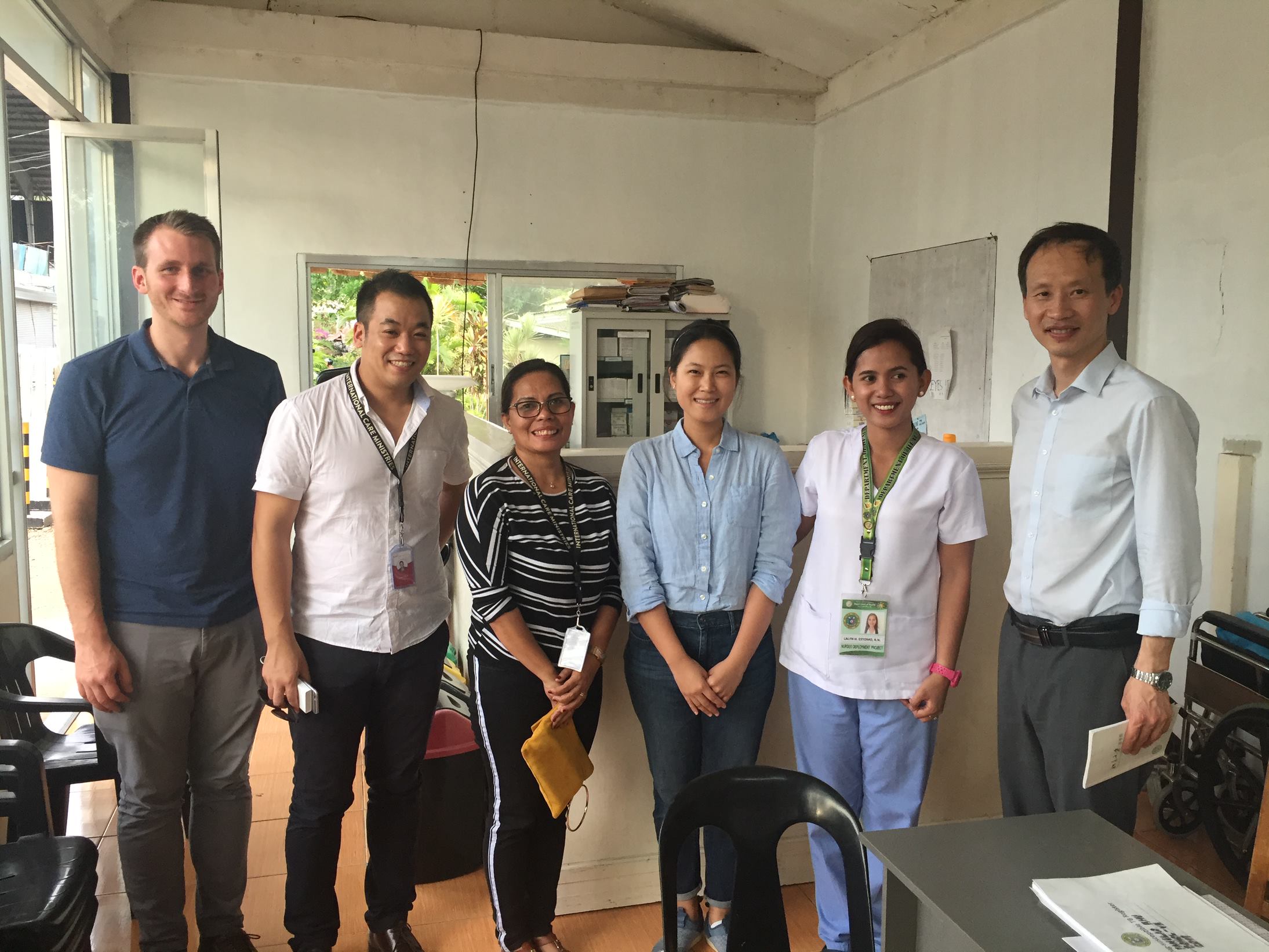
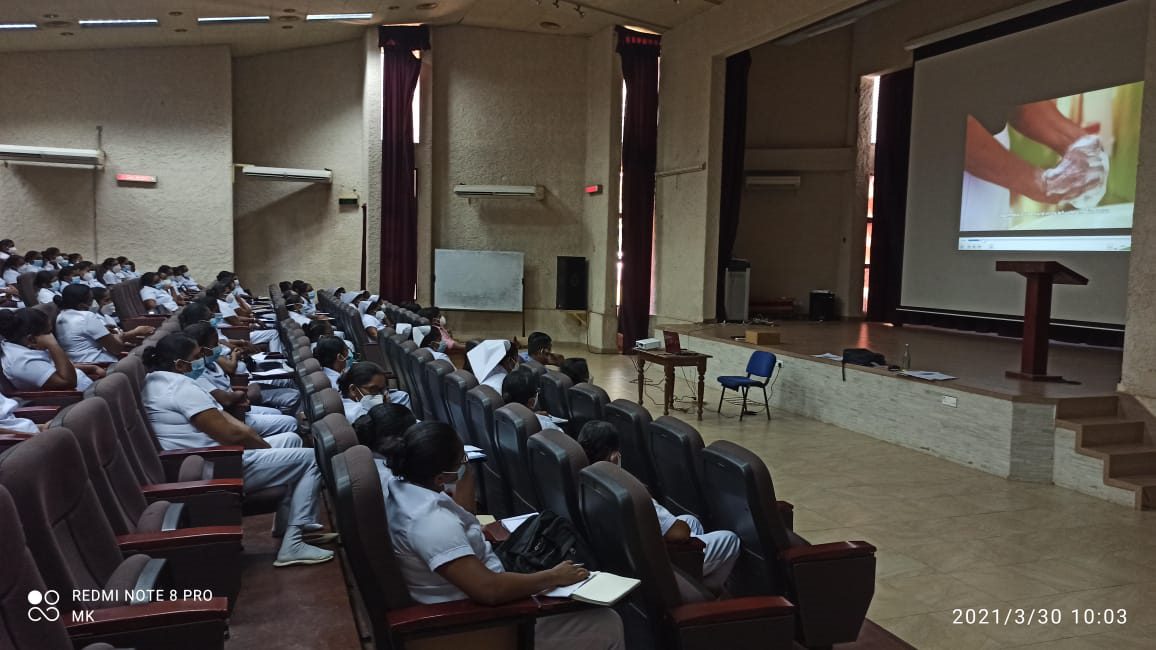
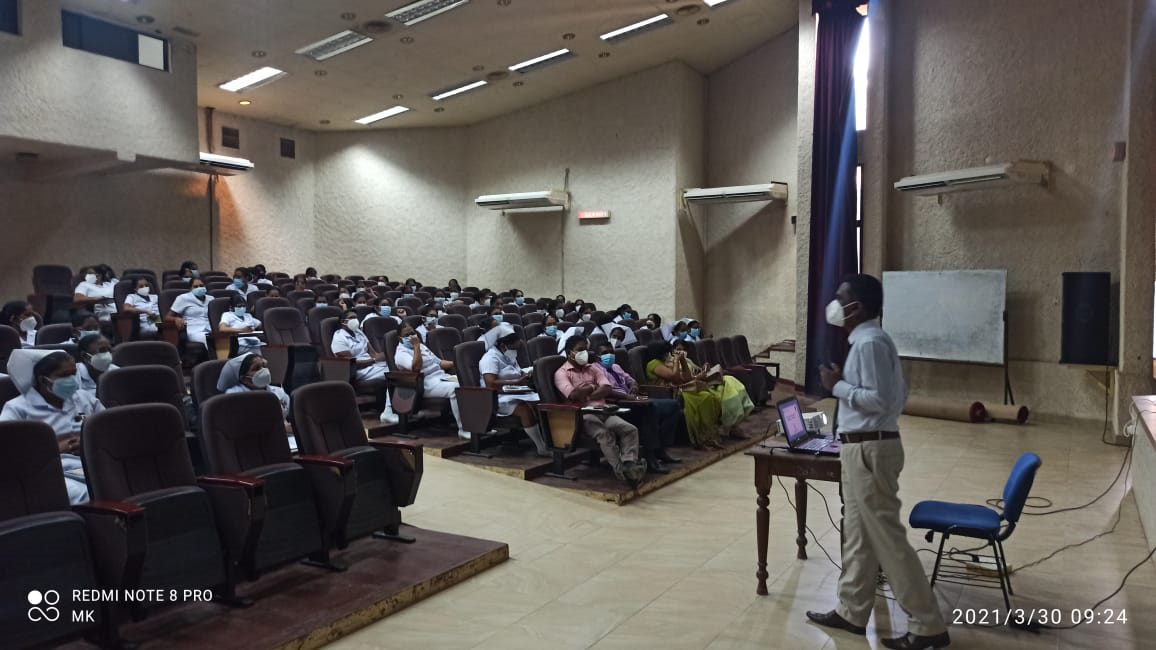
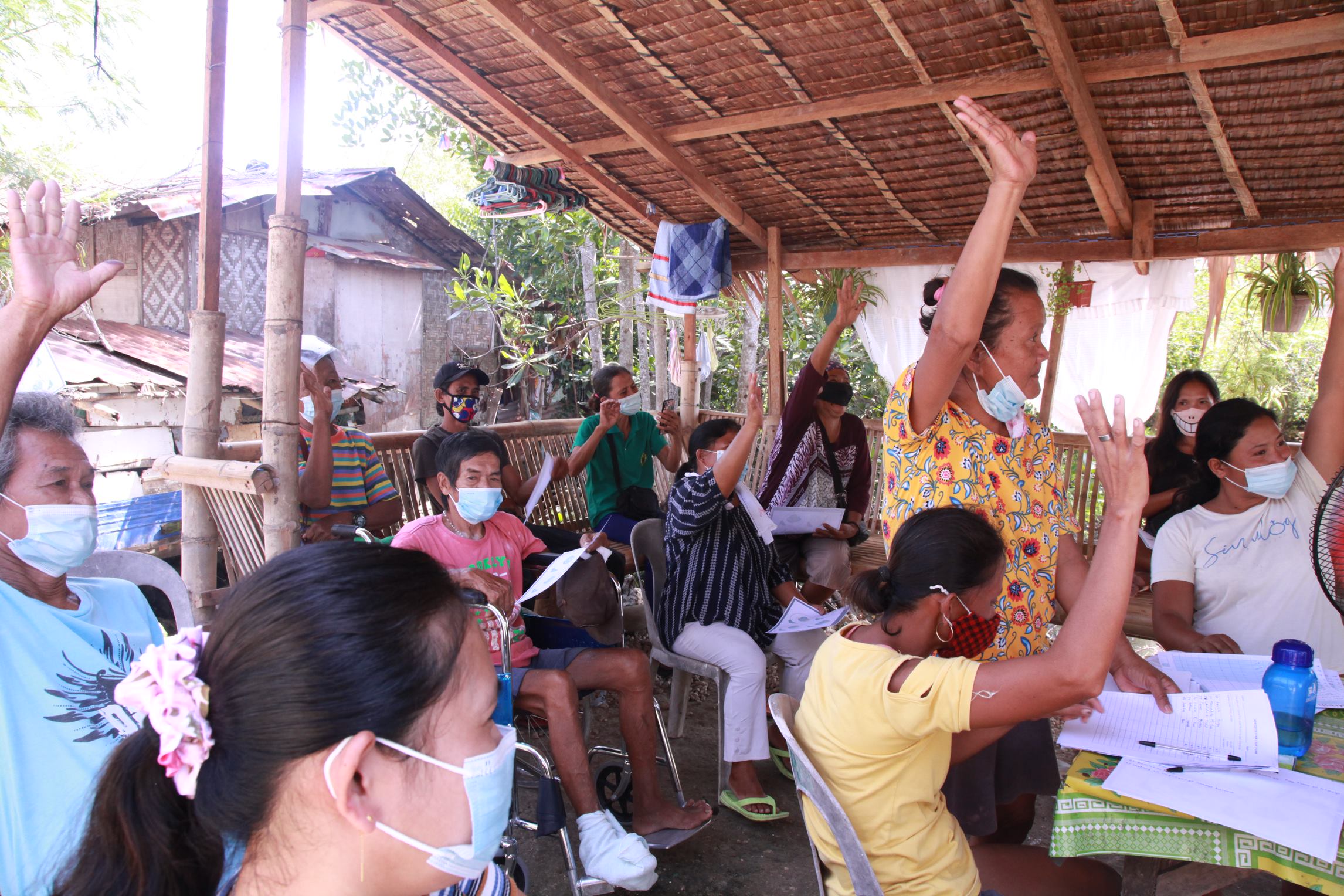
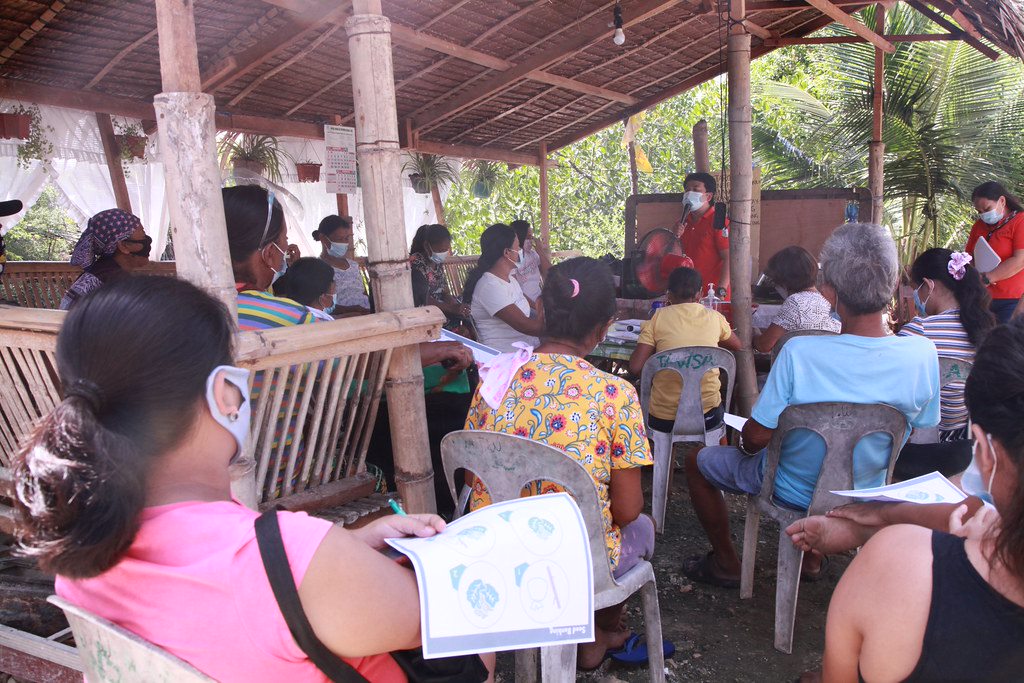
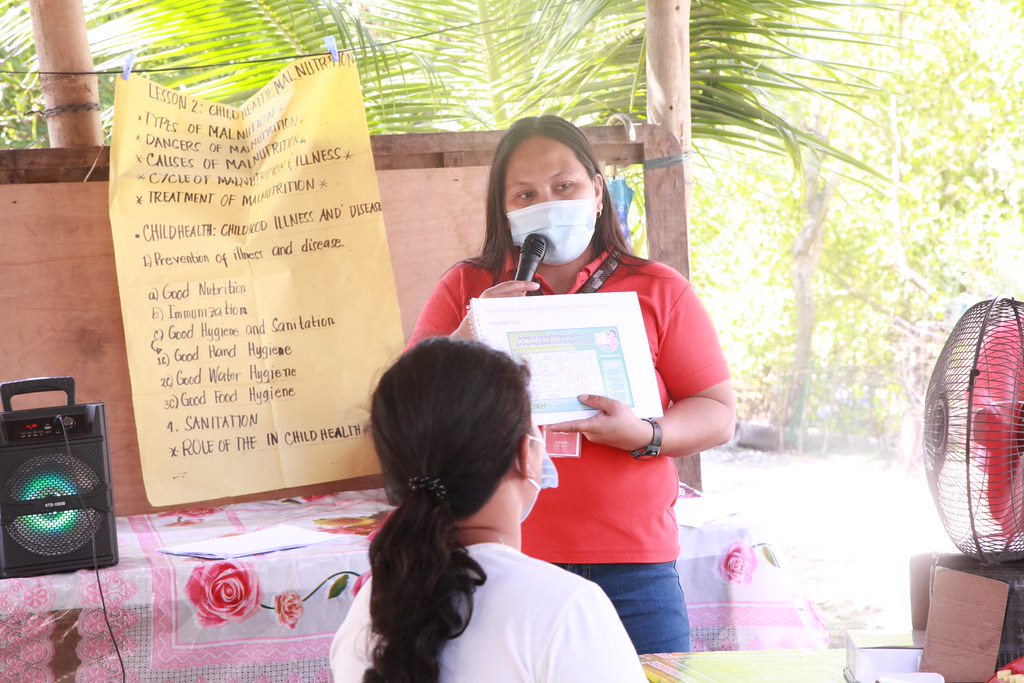
Our study aims to develop an integrated plan for HWCs in low-and middle-income countries (LMICs) to respond to the COVID-19 pandemic. Using lessons learned from the COVID-19 outbreak firstly identified in Wuhan, China, we are collaborating with HCWs and non-governmental organizations (NGOs) in the Philippines and Sri Lanka to develop contextually specific guidelines and training modules for frontline HCWs responding to the COVID-19 pandemic.
With local researchers in the Philippines, we will first develop and pilot test guidelines and training videos. Next, in Sri Lanka, we will work with local researchers to adapt these materials to the local context. Through guidelines and training videos, our work aims to familiarize frontline HCWs with updated information so as to support them in operationalizing a contextually appropriate and robust COVID-19 response plan. Specific guidelines components include personal protection equipment (PPE) and infection prevention and control requirements, recommendations to improve hospital workflow, reduce nosocomial infections, and fear and stigma reduction among patients with suspected cases of COVID-19.
Our team consists of leading researchers from Canada, the Philippines, and Sri Lanka with previous infectious disease research and program implementation experience – this will enable us to quickly mobilize resources to create contextually appropriate and comprehensive guidelines and training materials to support frontline HCWs. This work is funded by the International Development Research Centre (IDRC).
Progress
- Guidelines updated for hospital, primary care facilities and communities in the Philippines and adapted for Sri Lanka. Trainings, interviews and surveys conducted in the Philippines and Sri Lanka
- Data collection, analysis and evaluation work conducted in the Philippines and Sri Lanka
- Project completed
Updated on January 18th, 2023.
Research Team Members
Xiaolin Wei, Sudath Samaraweera, Warren Dodd, Lincoln Lau, Savithiri Ratnapalan, John Walley, James Wallace, Peter Selby, Ross Upshur, Garry Aslanyan, Jia Xue, Victoria Haldane, Freida Chavez
Sponsors and Funding Agencies
International Development Research Centre
Project Contact
Quanfang (Tiffany) Dong quanfang.dong@mail.utoronto.ca
Developing a Preparedness Plan for Rapid Integrated Response to the COVID-19 Outbreak in China Involving Hospital and Primary Healthcare Providers
Background and Aims
Early in the COVID-19 outbreak in China, Guangdong province reported the second highest incidences of confirmed COVID-19. At that time in China a major challenge to the COVID-19 response was transmission from individuals who were asymptomatic or had subclinical symptoms. Additionally, nosocomial transmission from symptomatic but unconfirmed COVID-19 patients to others posed a major public health challenge as symptoms may be difficult to be distinguished from the common seasonal flu, and available test kits (RT-PCR) used to confirm COVID-19 cases were in short supply.
In response to these circumstances, this study aims to create a revised preparedness guideline for hospital and community health care workers to effectively manage the COVID-19 outbreak.
This is being conducted in two communities in Guangdong in both urban and rural settings. We developed a concise guideline and job aids to provide contextually relevant information on patient triage, treatment, infection control, communication, as well as guidance on health promotion and psychological interventions. This guidance was based on Chinese national clinical guidelines and WHO technical guidance for COVID-19 case investigation, clinical care and community management for health workers in hospitals, primary care facilities and communities. This work is funded by the Bill & Melinda Gates Foundation.
Progress
- Guidelines developed for hospital and communities, and WeChat applet developed
- Baseline survey and interviews conducted
- Education videos developed and training conducted
- Research paper and policy brief drafted
- Project completed
Updated on August 18th, 2023.
Research Team Members
Sponsors and Funding Agencies
Bill & Melinda Gates Foundation
Project Contact
Zhitong Zhang zhitong.zhang@utoronto.ca
Resources
Deskguides for Healthcare Workers in the Philippines and Sri Lanka (updated Aug 31, 2021)
These desk guides were created with the intent to be easily read and understood, and to disseminate guidelines on COVID-19 response which are effective and relevant in their local geographical contexts. To those whom it may concern the greatest, we encourage you to provide suggestions on how to improve them in order to better meet these goals.
Training Video for Healthcare Workers:
Philippines: ICM Healthcare Worker Video Training Series
Sri Lanka: PCR & RAT Training, Donning & Doffing Training
Click here to leave feedback.
 Global Implementation Science Lab
Leave a comment